

Blog
Upanayana Procedure: The Religious Significance and Complete Rituals of the Sacred Thread Ceremony


Upanayana Ceremony: A Significant Sacrament of Sanatan Dharma
The Upanayana *Samskara* (sacrament) is considered one of the sixteen major sacraments within Sanatan Dharma. It is also referred to as the “Yajnopavita Samskara” or “Janeu Samskara.” This ceremony symbolizes the commencement of education, discipline, and a spiritual way of life in a boy’s journey. The term *Upanayana* literally means “to lead near the Guru”—that is, to guide the boy onto the path of knowledge and righteousness (*Dharma*).
**The Significance of the Upanayana Samskara**
The Upanayana Samskara is not merely a religious tradition; it is a process designed to refine and cultivate one’s character. Following this ceremony, the boy is initiated into the *Gayatri Mantra* and is encouraged to pursue Vedic studies, practice virtuous conduct, and observe a life of *Brahmacharya* (celibacy and spiritual discipline).
**Key Objectives of the Upanayana Samskara**
* Spiritual awakening
* Commencement of formal education
* Initiation into a disciplined way of life
* Development of religious and ethical values
* Adherence to the Guru-Disciple tradition
**When is the Upanayana Samskara Performed?**
According to the *Dharmashastras* (religious scriptures), the Upanayana Samskara is typically performed when a boy is between the ages of 8 and 16. Specific age guidelines have been prescribed for boys belonging to different *Varnas* (social orders):
* Brahmin boys – 8 years of age
* Kshatriya boys – 11 years of age
* Vaishya boys – 12 years of age
However, in contemporary times, the ceremony is often scheduled based on the convenience of the family and their specific traditions.
**Preparations for the Upanayana Samskara**
Prior to the Upanayana ceremony, specific rituals (*Puja*) are performed at home, and an auspicious time (*Shubh Muhurat*) is selected. The specific rites and procedures are determined by a *Pandit* (priest) or *Acharya* (spiritual preceptor).
**Essential Materials**
* *Yajnopavita* (Sacred Thread/Janeu)
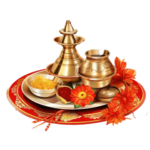
* Worship materials (*Puja Samagri*)
* *Kalash* (Sacred water pot)
* *Havan* materials (Offerings for the sacred fire)
* Yellow garments
* Sandalwood paste, *Akshat* (sacred rice), and flowers
* Fruits and sweets
**The Complete Procedure of the Upanayana Ceremony**
**1. Ganesh Pujan (Worship of Lord Ganesha)**
The ceremony commences with the worship of Lord Ganesha to ensure that all proceedings are completed without any obstacles.
**2. Sankalpa (Solemn Resolve)**
The *Yajaman* (host/patron) and family members take a solemn vow (*Sankalpa*) to ensure the successful and proper conduct of the ceremony.
**3. Mandap and Havan (Sacred Canopy and Fire Ritual)**
A *Havan* (sacred fire ritual) is performed accompanied by the chanting of Vedic mantras. All religious rites and vows are solemnized with the sacred fire (*Agni*) serving as the divine witness. 4. Head Shaving and Ritual Bath
In many traditions, prior to the Upanayana ceremony, the boy undergoes a ritual head shaving (Mundan), followed by a sacred bath.
5. Wearing the Sacred Thread (Yajnopavita)
The Acharya (spiritual teacher) places the sacred thread (Janeyu) upon the boy. This is considered the most significant part of the entire ceremony.
6. Initiation into the Gayatri Mantra
The Guru imparts the teachings of the Gayatri Mantra to the boy and explains its profound significance.
7. Ritual Alms-Seeking (Bhikshatan)
The boy symbolically seeks alms. This act signifies the learning of humility and self-reliance.
8. Benediction
Finally, the Guru, parents, and family members bestow their blessings upon the boy.
The Significance of the Sacred Thread (Yajnopavita)
The sacred thread consists of three strands, which are considered symbolic of the three debts: the debt to the Gods (Deva Rina), the debt to the Sages (Rishi Rina), and the debt to the Ancestors (Pitra Rina). By wearing it, the individual pledges to uphold righteousness (Dharma), pursue knowledge, and fulfill their duties.
The Gayatri Mantra in the Upanayana Ceremony
The Gayatri Mantra is revered as the very essence of the Vedas. During the Upanayana ceremony, this mantra endows the boy with spiritual strength and positive energy.
Om Bhur Bhuvah Svah
Tat Savitur Varenyam
Bhargo Devasya Dhimahi
Dhiyo Yo Nah Prachodayat ||
The Upanayana Ceremony in Modern Times
Even in contemporary times, the significance of the Upanayana ceremony remains undiminished. This ritual serves to connect children with Indian culture, moral education, and religious traditions.
Conclusion
The Upanayana tradition is not merely a religious ritual; rather, it is a medium for refining and cultivating one’s character and life. This ceremony inspires the boy to pursue knowledge, discipline, and spirituality. It holds a place of special importance within the Sanatana tradition and, to this day, continues to be observed in Indian culture with deep reverence and strict adherence to prescribed rituals. https://masterkheladilal.com/











 Vastu shastra
 Geeta press